Rethinking Openness in a Large-Scale ODeL Institution: How ICT Systems Integration Influence Transactional Distance and Student Equity in the Global South
ISSN: 2292-8588 - Volume 41, Issue 1, 2026
https://doi.org/10.55667/10.55667/ijede.2026.v41.i1.1380
Abstract: This research article presents a unique contribution to the existing body of knowledge as it examines the concept of openness within an open distance e-learning (ODeL) institution in South Africa, through the lens of Moore’s theory of transactional distance. As one of the world’s largest ODeL providers, which serves over 400,000 students annually, the institution embodies both the promise and perils of scaling distance education in the Global South. The study focuses on the integration of information and communication technology (ICT) systems and investigates how such integration either reduces or exacerbates transactional distance, which may enable or constrain openness. The theory is guided by three core elements: dialogue, structure, and autonomy. The research explores stakeholder perspectives to understand how ICT systems influence equitable access, meaningful interaction, and learner agency. Specifically, the research seeks to understand how integration processes for ICT systems can be managed to promote openness and contribute to student success. In addition, the study explores the viewpoints of lecturers, students, and the ICT personnel on openness within the institution. This qualitative research approach involves data collection through email interviews, focus group discussions, and evaluation questions. The findings reveal that true openness in ODeL is not guaranteed by digital delivery alone but depends on deliberate efforts to reduce transactional distance through reliable infrastructure, inclusive design, and responsive support. These findings have implications for educational institutions and prompt a review of distance learning strategies to enhance relevance, adapt to technological advancements, and encourage a conducive open distance teaching and learning context.
Keywords: distance education, Information communication technology (ICT), ICT systems integration, higher education institutions, open distance e-learning (ODeL), openness, student success

This work is licensed under a Creative Commons Attribution 3.0 Unported License.
Repenser l’ouverture dans une institution de FOAD à grande échelle : influence de l’intégration de dispositifs technologiques sur la distance transactionnelle et l’équité étudiante dans le Sud global
Résumé : Cet article de recherche apporte une contribution originale à la littérature existante en examinant le concept d’ouverture au sein d’une institution de formation ouverte et à distance (FOAD) en Afrique du Sud, à la lumière de la théorie de la distance transactionnelle de Moore. Étant l’un des plus grands fournisseurs de FOAD au monde, accueillant plus de 400 000 étudiants par an, cette institution incarne à la fois les promesses et les défis liés à la mise à l’échelle de l’enseignement à distance dans le Sud global. L’étude porte sur l’intégration de technologies de l’information et de la communication (TIC) et examine dans quelle mesure les dispositifs technologiques intégrés permettent de réduire ou, au contraire, d’accentuer la distance transactionnelle, pouvant ainsi favoriser ou contraindre l’ouverture. La théorie mobilisée repose sur trois éléments fondamentaux: le dialogue, la structure et l’autonomie. La recherche explore les perspectives des différentes parties prenantes afin de comprendre comment les dispositifs technologiques influencent l’équité d’accès, la qualité des interactions et l’agentivité des apprenants. Plus précisément, l’étude vise à comprendre comment les processus d’intégration des TIC peuvent être gérés de manière à promouvoir l’ouverture et à contribuer à la réussite étudiante. Elle examine également les points de vue des enseignants, des étudiants et du personnel technique sur la notion d’ouverture au sein de l’institution. Cette recherche qualitative s’appuie sur la collecte de données par le biais d’entretiens par courriel, de groupes de discussion et de questions d’évaluation. Les résultats montrent que la véritable ouverture en FOAD ne peut être garantie par la seule modalité numérique, mais qu’elle dépend d’efforts intentionnels visant à réduire la distance transactionnelle grâce à des infrastructures fiables, une conception inclusive et des dispositifs de soutien réactifs. Ces résultats ont des implications pour les établissements d’enseignement supérieur et invitent à une révision des stratégies de formation à distance afin d’en accroître la pertinence, de s’adapter aux avancées technologiques et de favoriser un contexte propice à l’enseignement et à l’apprentissage ouverts à distance.
Mots-clés : enseignement à distance, technologies de l’information et de la communication (TIC), intégration de dispositifs technologiques, établissements d’enseignement supérieur, formation ouverte et à distance (FOAD), ouverture, réussite étudiante
The concept of openness in education is multifaceted, subject to continuous change and influenced by various factors including society, culture, geography, and ecology. However, in open distance e-learning (ODeL), openness cannot be assumed from digital delivery alone, it must be actively constructed through the reduction of transactional distance (Moore, 1993). Transactional distance is the psychological and communicative gap between students and lecturers influenced by dialogue, structure, and autonomy. As such, it provides a critical lens for understanding why many ODeL institutions fail to deliver on their promise of inclusive, flexible education. An educational context that is free from physical constraints only signifies a commitment to true openness if the information and communication technology (ICT) systems effectively support meaningful interaction, responsive design, and learner agency. Given its lack of a singular explicit description (Bozkurt et al., 2019), it is a challenging to define openness in higher education.
The term openness in this study encompasses a comprehensive concept that extends beyond mere access. While the term encompasses a variety of educational resources and inclusive approaches, it also addresses responsiveness to students’ needs. Openness signifies a commitment to establishing an educational context free from physical constraints which allows students to seamlessly engage in online learning, access materials, receive support, and interact with others (Gunter, 2025). Importantly, this institution operates as a fully online, asynchronous ODeL provider; there are no face-to-face lectures, tutorials, or residencies. All teaching, assessment, and support occur remotely via institutional digital platforms, primarily the Moodle-based Learning Management System (LMS) and university email with the occasional use of optional web conferencing tools.
In such a context, openness emerges as a fundamental value and represents the essence of distance education as a direct and effective method of delivering education. Virtual learning, devoid of the elaborate trappings of campus-based experiences, epitomises this concept. Despite the lack of direct contact between students, lecturers, and the institution, the objectives of distance education are not hindered. On the contrary, its foundation rests on the philosophy of regular communication and the availability of tailored learning opportunities to meet students’ needs and preferences (Gunter, 2025). Here, lecturers serve as the sole academic point of contact; they design curriculum, create and upload learning materials (including recorded vodcasts and tutorial letters), mark assessments, and respond to student queries. Notably, because we do not have dedicated e-tutors or teaching assistants, the full burden of pedagogical support rests with the lecturers, even in modules with thousands of students.
ODeL is not merely online education; it is a distinct pedagogical and organisational model designed to serve non-traditional, often marginalised students at scale. As such, its success hinges not on technology alone, but on how well ICT systems align with the foundational principles of distance education: reducing isolation, enabling dialogue, and supporting self-directed learning across diverse contexts (Gunter, 2025; Moore, 1993). In low-resource contexts like South Africa, where data costs are high and infrastructure uneven, the risk of digital openness becoming a proxy for exclusion is acute (Mashile et al., 2020; Mbodila et al., 2023; Mwansa et al., 2025). This study therefore interrogates whether the institution’s ICT integration strategies advance or undermine the core mission of ODeL which is to democratise education without compromising quality or equity (Iyanda & Raja, 2025). We refer specifically to ICT systems integration as the institutional coordination and reliability of core digital infrastructure; namely the LMS, email system, and related platforms used to deliver content, manage assessments, and enable communication. Challenges such as system downtime, poor usability, lack of integration between tools, and insufficient technical support directly impact whether openness is experienced as inclusive or exclusionary.
Digital students, unlike traditional students, are not physically present with lecturers and peers, and embrace autonomy in their learning. While they engage in independent study, tutors provide support either in person or online. In this ODeL model, however, tutoring is not a separate role; it is absorbed into the lecturer’s responsibilities, often without additional resources or staffing. Stakeholders, which include lecturers, administrative staff, and ICT support personnel in the institution, play key roles in supporting and managing this learning experience. It is essential to balance interaction and autonomy to ensure that independent learning is not compromised by excessive reliance on either. The goal is to strike a balance that encourages powerful and engaging learning experiences. ODeL institutions are transforming education by providing new avenues for access.
This study draws on Moore’s (1993) theory of transactional distance as a foundational framework in distance education that defines the psychological and communication space between students and lecturers. According to this theory, effective ODeL requires a careful balance among three interrelated elements: dialogue (interaction and communication), structure (course design and flexibility), and autonomy (learner self-direction) (Moore, 1993; Swart & MacLeod, 2021). Openness in this context is thus operationalised not as unlimited access, but as the institution’s capacity to minimise transactional distance through responsive ICT systems and inclusive practices.
A South African ODeL institution, which enrols approximately 400,000 students per annum, stands out globally. However, it faces persistent challenges, which include complaints about resource accessibility, lecturer quality, and effective ICT deployment (Lembani et al., 2023; Maphoto & Suliman, 2024). These challenges directly impact the three dimensions of transactional distance: unreliable systems hinder dialogue, rigid policies constrain structure, and unequal access undermines autonomy. These are not isolated technical issues but symptoms of high transactional distance: rigid structures limit flexibility, unreliable systems disrupt dialogue, and infrastructural inequities constrain autonomy. It is essential to address these issues not only as operational inefficiencies, but as theoretical failures in enacting openness. Rather than treating openness as a monolithic concept, we examine it through three interrelated stakeholder perspectives, where each reveals a distinct yet interconnected dimension of how ICT systems influence access, equity, and pedagogical responsiveness in ODeL.
The study investigates the perspectives of students, administrative staff, and ICT support personnel at a South African ODeL institution. In addition to exploring the ICT accessibility challenges faced by administrative and student bodies, the study highlights applicable remedies and informs future strategic development. Thus, the investigation serves a two-pronged purpose: to address challenges and to propose practical solutions that promote institutional adaptability and student success.
The three research questions (RQ), all grounded in Moore’s (1993) theory of transactional distance, are unified under a single inquiry to maintain analytical coherence: How does ICT systems integration mediate the promise and practice of openness in a large-scale ODeL context? Thus, the three research questions are designed to examine how ICT integration influences each dimension of transactional distance, and thereby, the lived reality of openness:
Managing ICT systems integration is vital to ensuring the success of distance education. Several studies have highlighted the importance of effectively managing ICT systems integration in distance education to improve student success and enhance learning outcomes (Carrión-Martínez et al., 2020). One such study, conducted by Adarkwah (2020) in Ghana post-COVID-19, examined the role of ICT systems integration in a distance learning context. The Adarkwah (2020) study reveals significant challenges with ICT resource access in schools, which leads to students who perceive online learning as ineffective. Despite its potential, students prefer traditional approaches due to the multitude of hurdles associated with online learning.
Subsequently, Quraishi et al. (2024) discussed the effectiveness of ICT integration in Indonesia, where many respondents rated it as moderately to extremely effective. Despite the moderate to high-level challenges reported, respondents acknowledged the positive impact of ICT on teaching methods, inclusivity, and student learning outcomes.
In addition to these findings, a concise review conducted by Garlinska et al. (2023) analysed multiple studies on emerging technologies in distance education. They discussed how emerging technologies transform distance education and provide global access, while the institutions providing the programs face challenges such as cost and technical issues, particularly in developing regions. Advantages of ICTs include breaking geographical barriers and enhancing collaboration through tools like virtual reality headsets. However, hurdles like high costs, slow internet speeds, and compatibility issues hinder integration (Gunter, 2025; Iyanda & Raja, 2025). The COVID-19 pandemic exacerbated disparities in access and technical issues, which impacted higher education. Furthermore, as the literature emphasises, proactive management strategies are important for ensuring the successful integration of ICT systems in distance education (Adtani et al., 2023; Gunter, 2025; Johannes & Lalendle, 2024; Tshiningayamwe et al., 2021). Although these studies highlight systemic ICT challenges, few examine how such issues specifically influence institutional openness in large-scale Global South ODeL contexts, which directly motivates the need to explore RQ1.
Openness in distance education has been a subject of debate in recent years. Researchers have examined various perspectives on openness in distance education to better understand its implications for students, lecturers, and institutions. Openness is an overarching term that includes open education; open access to courses, knowledge, and journals; open accreditation; open connections; open source; and open educational resources (Gunter, 2025; Mwansa et al., 2025; Paskevicius et al., 2018). Openness can also be understood over three pedagogical dimensions: transparency, communication, and engagement (Dalsgaard & Thestrup, 2015; Goria & Konstantinidis, 2023; Xiao et al., 2025). For Bozkurt and Stracke (2023, p. 32), “openness in education strives to shape education into its ideal form by advocating a range of values and principles that would lead to equity and social justice in education by positioning human-centred approaches at the core of its practices.” However, scholars such as Lee (2020, p. 112) argue that “openness claims are more rhetorical than actual.” In addition, Selwyn (2011, p. 147) raises thought-provoking, inspiring questions in his critique of the relationship between technology and education, “Do digital technologies really offer a better way of organizing and providing educational opportunities?” Furthermore, there has been an argument that “Unless technology-based education is affordable for educational institutions and students alike, it is more likely to advantage the haves rather than those have-nots who need help most” (Xiao, 2023, p. 249; Xiao et al., 2025).
According to Xiao (2023) and Xiao et al. (2025), the integration of technology in education must prioritise accessibility and affordability to ensure sustainability. It should not be an expensive addition that further burdens already financially strained educational systems and students. Instead, technology should enhance access to high-quality education for all and make it more affordable for both institutions and students. Kocdar and Bozkurt (2023) explored the concept of openness in distance education and highlighted its potential to encourage inclusivity, accessibility, and flexibility for students with special needs. They argued that openness can contribute to a more equitable and diversified learning environment that can accommodate diverse students’ needs and preferences. Despite growing discourse on openness, there remains limited empirical insight into how students and administrative staff in under-resourced ODeL systems experience it, which thus informs the focus of RQ2.
According to Vieira and Pedro (2023), higher education institutions should pay attention to the integration of ICT in teaching and learning. In their study, a limited incorporation of ICT in the training curriculum for future Portuguese teachers, with less than 18% of the 819 courses demonstrating ICT elements, emphasised the need for further concrete actions to enhance ICT integration and promotion in initial teacher education programs. An experimental mixed methods study conducted by Toma et al. (2023) at the Mihai Eminescu National College in Bucharest, Romania, compared teaching and learning methods with the assistance of ICT systems integration. They found that the utilisation of Google Forms, custom JavaScript games, and Microsoft PowerPoint presentations resulted in significantly improved student scores which affirmed the research’s aim of enhancing educational quality through innovative teaching tools. Toma et al. (2023) exemplify that ICTs are an accessible and pertinent approach to student-centred education. For Mbodila et al. (2023, p. 76), “access and skills in the use of ICT infrastructure constitute a major challenge for students in ODeL in the South African context.” Furthermore, Mashile et al. (2020) highlight South Africa’s pronounced inequality and cite exorbitant data costs that particularly disadvantage students reliant on government bursaries, compounded by findings revealing insufficient digital literacy among ODeL students (Gunter, 2025; Mwansa et al., 2025). Literature neglects to address how specific educational contexts that include cultural beliefs, available resources, and methodologies, influence the adaptation process which highlights a gap in understanding the holistic impact on teaching and learning, particularly from the varied stakeholders’ perspectives. Although lecturers’ roles in mediating openness are acknowledged, their perspectives on the future viability of ODeL models amid infrastructural constraints remain underexplored, which justifies RQ3.
The theoretical framework for this study is based on the theory of transactional distance, which was originally proposed by Michael G. Moore in the 1970s. This theory provides a conceptual framework for understanding the dynamics of distance education, particularly in terms of the relationship between students, lecturers, and the teaching and learning context. The theory of transactional distance posits that the effectiveness of distance education depends on three key elements which are dialogue, structure, and autonomy (Moore, 1993; Swart & MacLeod, 2021; Xiao, 2024) which is illustrated in Figure 1 below (Sevnarayan, 2022, p. 432):
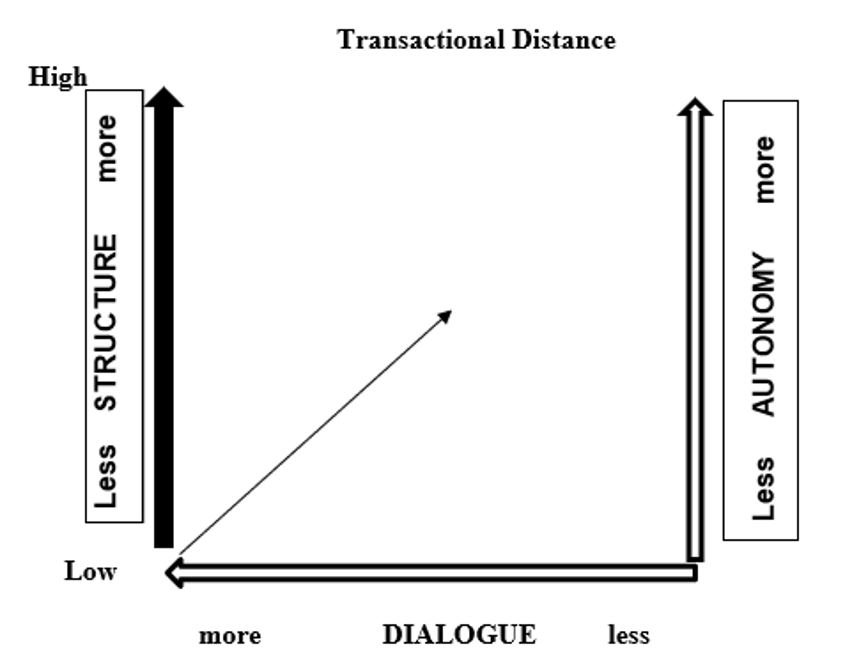
Figure 1: Moore’s Theory of Transactional Distance
Image description available.
The dialogue dimension in Figure 1 refers to the interaction and communication between students and students in a distance education setting. According to Moore (1993), effective dialogue involves meaningful exchanges of information, ideas, and feedback. In a distance learning context, dialogue can occur through various channels which include online discussions, email correspondence, and virtual classrooms. The quality and frequency of dialogue play a crucial role in shaping the learning experience and promoting student engagement and comprehension.
The structure dimension in Figure 1 refers to the organisation and design of the distance learning context that includes the module materials, activities, and assessments. Moore (1993) argues that an appropriate level of structure is essential for guiding learners through the educational process and facilitating their understanding of module content. However, excessive structure can lead to rigidity and inflexibility, while insufficient structure can result in confusion and disorientation. Therefore, finding the right balance of structure is critical for optimising the effectiveness of distance education.
The autonomy dimension in Figure 1 refers to the degree of independence and self-direction afforded to students in a distance education context. Moore (1993) emphasises the importance of empowering learners to take ownership of their learning process and make informed decisions about their educational goals and strategies. Autonomy allows learners to tailor their learning experience to their individual needs, preferences, and pace, thereby promoting intrinsic motivation and lifelong learning skills.
The theory of transactional distance suggests that the optimal distance education experience occurs when there is a balance between dialogue, structure, and autonomy. When these elements are effectively managed, students are more likely to experience a sense of connectedness, competence, and control, leading to improved learning outcomes and learning satisfaction. For a module to be characterised by a low transactional distance, it must exhibit a larger teaching presence; as well as closeness, sharedness, and perceived learning among students as shown on a continuum from high to low (Xiao, 2024).
While other theoretical models, such as the Community of Inquiry framework (Garrison et al., 2000), also address interaction in online learning, Moore’s theory of transactional distance is particularly suited to the context of this study. Community of Inquiry emphasises the emergence of cognitive, social, and teaching presence within collaborative online communities, often assuming reliable technology, stable internet access, and active facilitation. In contrast, transactional distance foregrounds the structural and systemic conditions that either enable or constrain dialogue, especially in contexts marked by inequality, infrastructural fragility, and high student-to-staff ratios (Xiao, 2024); all of which are hallmarks of large-scale ODeL in the Global South. Moore’s framework allows us to interrogate not just how interaction happens, but whether the conditions for meaningful interaction even exist through institutional rigidity (structure), limited communication channels (dialogue), and constrained learner agency (autonomy). This distinction is critical in settings where openness is promised through digital delivery yet denied by material realities.
This theory is well-suited to the current study as it provides a comprehensive framework for an analysis of openness in distance and e-learning universities. Through an examination of the dynamics of dialogue, structure, and autonomy within the context of ICT systems integration, the study provides perspective into how these factors influence student success, institutional relevance, and the effectiveness of distance education programs. Thus, this study reactivates Moore’s transactional distance model to expose the gap between the rhetoric of openness and the lived experience of students and staff in under-resourced, high-enrolment ODeL systems—a context rarely centred in dominant e-learning frameworks like Community of Inquiry.
This study adopts a qualitative research approach to explore the multifaceted concept of openness within the context of an ODeL university in South Africa. A qualitative approach allows for a detailed exploration of the perspectives and experiences of stakeholders (Cohen et al., 2002), which includes students, lecturers, ICT personnel, and administrative staff, regarding openness and ICT system integration.
The research design employed for this study is an exploratory single-case study, as defined by Baxter and Jack (2008) and Starman (2013). This design is particularly well-suited for investigating a contemporary phenomenon within its real-life context, especially when the boundaries between the phenomenon and context are not clearly evident. In this study, the case is the operationalisation of openness within the College of Human Sciences at a large South African ODeL university, as mediated by ICT systems integration and experienced by multiple stakeholder groups (students, lecturers, administrative staff, and ICT support personnel). A case study design allows for rich, contextualised insight into how institutional structures, technological systems, and human practices intersect to enable or constrain openness, which is a complex, multi-layered issue that cannot be captured through survey-based or experimental methods. We focused on one bounded institutional unit (the Department of English Studies within the College of Human Sciences) to ensure depth over breadth while still capturing diverse perspectives that reflect the realities of large-scale ODeL delivery. This approach aligns with Stake’s (1995) notion of the intrinsic case study, where the case is of interest in its own right, not as a representative sample but as a critical instance of the tensions between policy, technology, and equity in Global South ODeL contexts.
The population of this study includes ICT personnel, students, administrative staff, and lecturers affiliated with the target university. A purposive sampling method was used to select participants who provided insights into the research questions. Sampling criteria include diversity in roles, experiences, and perspectives related to ICT systems integration and openness in education. While 25 lecturers teach first year and second-year English students, 12 administrative staff are involved in the students within the department. The student cohort selected for participation consists of 1,200 second-year students who are registered for EWA123 (an applied English language module) and are studying towards a Bachelor of Education degree. This student group was chosen specifically due to their prior exposure to the university’s system and ability to provide insight into the openness of the institution. However, it is important to note that many of these students speak English as an additional language and face challenges such as unstable internet connections, limited access to devices for completing tasks, and often having to rely on internet cafes. In addition, the student population comes from diverse financial and social backgrounds, which represent various regions within South Africa and neighbouring countries.
From the ICT department responsible for supporting students in the university, 10 personnel were invited to participate in the study to assist in addressing the first research question on how the ICT system integration process is managed to ensure openness for student success. For the second research question, a sample of 10 administrative staff from the Department of English Studies, along with 30 students, were selected from a larger group of approximately 1,200 students to contribute to the study. For the third research question, 10 lecturers were invited to participate in the study to provide insights into the prospects for the future of openness in distance education within the specific context under investigation. These small numbers were specifically chosen to keep the study in line with its qualitative nature to garner rich and thick descriptions for each research question.
Data collection methods include evaluation questions administered to ICT colleagues, focus group discussions conducted with students, and email interviews with administrative staff and lecturers. These instruments were carefully designed to elicit detailed responses to provide detail on the participants’ perceptions, experiences, and recommendations on openness and ICT integration.
Of the 10 ICT support personnel invited to take part in the study in 2024, six responded to the evaluation questions. The researchers took about 2 months to gather data and send reminders to the ICT participants. Of the 30 students invited to take part in the focus group discussion, 21 students attended a Microsoft Teams meeting. The meeting took approximately 1 hour to finish. Students provided details about their ideas on openness at the university. The researcher was also able to ask many follow-up questions. Of the 10 lecturers invited to take part in the study, only five lecturers responded to the email interviews. Six of 10 administrative staff responded to the email interviews. It took approximately 2 months to collect data from both lecturers and administrative staff. Data was triangulated in the study to ensure the rigour and trustworthiness of the findings (Lincoln & Guba, 1985). Thematic analysis was used to group all data into themes to answer each of the research questions.
Ethical clearance for this research was obtained from the relevant institutional review board to ensure the protection of participants’ rights and confidentiality. Informed consent was obtained from all participants, and measures were taken to maintain anonymity and confidentiality throughout the research process. Participants were not forced to take part in the study and could opt out at any time. All participants in the study were given pseudonyms to ensure that their identities remain confidential. In addition, module names and the name of the university were anonymised.
Despite the rigorous approach adopted in this study, several limitations should be acknowledged. First, the findings may be specific to the context of the target university and may not be generalisable to other institutions. In addition, the qualitative nature of the research limits the scope of the findings to insights and perspectives rather than quantitative measures of effectiveness. To overcome this limitation, the researchers collected rich and detailed data from participants to understand the issue of openness under study.
To answer the first research question which sought to understand how ICT management ensures student success at an ODeL university, we interviewed six members of staff from the ICT department. Two themes emerged from the ICT staff’s responses which are discussed below.
The findings reveal that ICT management staff faced significant challenges in integrating systems which affect student support. As ICT1 notes:
We live in a technological environment . . . the challenge is the affordability and accessibility of the learning management system for everyone, although it is open source. This is a major concern for us as ICT staff, as we strive to ensure that all students have equal access to technology and can fully participate in the learning process.
ICT1 highlights the issue of equal access to technology for all students and the influence that affordability and accessibility can have on student learning. ICT1’s concern for equal access is echoed by ICT3, who notes that, “our system is not user friendly for students.” This suggests that not only do students face challenges in accessing technology, but also that the systems may not be designed with the student in mind. ICT3’s comment raises questions about the design and development of ICT systems, and whether they are truly student-centred, or simply perpetuate existing inequalities. ICT2 emphasises the importance of security and states that:
Safeguarding digital assets and data, we have the challenge of being attached where systems sometimes go down affecting both employees and students. This not only disrupts the learning process but also compromises the security of sensitive information. It’s a constant battle to stay ahead of potential threats and ensure the integrity of our systems.
ICT2 discusses the impact of system downtime for both staff and students, and the importance of prioritising security in ICT systems. ICT2’s concern for security is not explicitly mentioned by other participants, but ICT5’s comment about ”load-shedding” or electricity outages being a problem when working from home suggests that external factors can also affect system security. ICT3 notes the need for adequate resources and user-friendly systems to support students, and the impact that resource constraints can have on ICT staff’s abilities to provide effective support. ICT3’s comment about a lack of resources is echoed by ICT4, who notes that the “ICT integration system seems to be slow paced.” This suggests that resource constraints contribute to the slow pace of the system. ICT5 notes:
The user doesn’t check the intcom email, where ICT updates all users about ICT system integration at the university. Some users lack technical skills, plus load-shedding is a problem when working from home. This makes it difficult for us to communicate effectively with staff and students, and to ensure that everyone has the technical skills they need to succeed in an online learning environment.
The importance of effective communication and technical skills training for staff, and the impact load-shedding can have on remote working are stressed. ICT5’s comment about users who lack technical skills is not explicitly mentioned by other participants, but ICT3’s comment about systems not being user-friendly suggests that this may be a widespread issue.
The current state of ICT systems integration is far from being open and inclusive. As ICT1 aptly puts it, “With most data being digital, I’m afraid we must wait until the country’s infrastructure is being improved, sadly only a few can have access throughout the country. I would suggest building smart campuses even in the remote areas for students to access, and content must be uploaded timely.” This is a stark admission that unequal access to digital resources is a significant barrier to student success.
Furthermore, the reliability and user-friendliness of ICT systems are also major concerns. ICT3 notes that, “hardware and software must be reliable and up to date” and that they “must make sure that the hardware and software that they [use] are reliable and are up to date.” This is further emphasised by ICT2 who notes that “many students do not have devices to access these systems. Moreover, the lack of academic integration and interaction between students and faculty members is another significant shortcoming.” ICT4 supports this and notes, “To achieve academic integration, the ICT system should provide opportunities for students to interact with faculty members, such as through online discussion forums, video conferencing, and email communication.” However, the reality on the ground is far from this ideal. As ICT5 mentions, “Lecturers do make videos for students via Camtasia [video app],” but this is hardly sufficient to support meaningful interaction and engagement.
The notion that ICT systems integration is open and inclusive is a myth that needs to be busted. The concerns raised by ICT staff members are not just minor technical issues, but fundamental flaws that undermine the purpose of ICT systems integration. Until these concerns are addressed, ICT systems will continue to perpetuate inequality and hinder student success. As ICT1 eloquently puts it, “We must wait until the country’s infrastructure is being improved,” but how long will we have to wait? The time for action is now, and it is imperative that educational institutions prioritise the development of inclusive and effective ICT systems that support student success for all.
While some argue that ODeL provides unparalleled flexibility and accessibility, others claim that it falls short of being truly inclusive. As S2 aptly puts it, “Yes, it is an open university. I believe so because you can study in your own time and anywhere. Be [it] at work during lunch breaks, or in the comfort of your home.” However, we note that this flexibility is not enough to guarantee accessibility for all.
The responses from other students reveal a more concerning picture. S4 notes, “Yes, the university accommodates diverse students. People are able to do more than just study. Fulltime jobs are accommodated.” S7 and S8 further add that ODeL “is open because it is an online institution that caters to students who are not able to attend contact classes.” Although the students’ responses reveal that ODeL accommodates flexibility, they do not reveal the significant gaps that the ICT stakeholders mentioned earlier such as insufficient support for students despite accommodations, limited access to digital resources, and access issues resulting from students’ limited digital literacy skills.
While the ODeL at the institution that is under study provides flexibility, its autonomous nature can be both empowering and debilitating. On the one hand, students like S5 and S6 praise the freedom to manage their time, “The ODeL model allows me to study and work at my own pace, with flexible deadlines that accommodate my lifestyle.” However, this independence can also be overwhelming for some like S12, who states, “It is open, but I really struggle to get things done without that face-to-face support.” Without structured support, students may struggle to stay motivated and on track. S1 states that indeed, “it is a long-distance learning institute.” This understated remark belies the potential challenges that come with self-directed learning. The absence of traditional classroom structure and direct guidance can leave some students feeling isolated and uncertain.
The widespread adoption of ICTs in higher institutions is delayed by a significant shortage of qualified technical support staff, which results in unresolved LMS issues and frequent system crashes. AO1 states that, “every educational institution relies on the usage of ICTs; however, there is an absence of qualified technical support staff for Moodle unresolved issues and the constant crashing [of the system].” Furthermore, our campuses experience persistent network instability which compromises academic productivity. AO2 supports this by mentioning that “the network is unstable at the university.”
The integration of ICTs in education has transformed traditional teaching and learning practices and provides benefits such as enhanced lecturer-student interactions and innovative curricula. AO3 states that, “ICT integration also disadvantages students with limited internet and technology access and excludes them from online activities and creating barriers to participation.” The over-reliance on ICTs has led to a loss of human interaction, a crucial aspect of teaching and learning valued by both students and lecturers. Dysfunctional ICT systems impede teaching and learning progression, while shifting deadlines and exam dates exacerbate pressure on lecturers. Moreover, AO4 notes that the institution under study is not an open university, “No, because it has certain entry requirements.” The institution’s entry requirements may inadvertently exclude students without adequate digital literacy.
In contrast, some AOs have noted that distance learning empowers students to take responsibility for their studies. AO5 states that, “as an Open Distance Learning institution, the university provides boundary-less learning which enables students worldwide to access study materials, submit assessments, and participate in online exams.” To support this statement, AO6 argues that, “Yes, [this] is an ODeL institution as it allows students to study without boundaries; one can be anywhere in the world and only need access to the internet to access study material, submit assessments, and even write exams online.”
The institution’s strict registration periods, assessment due dates, and technical issues with the Moodle LMS contradict its claim of being an open university, which disproportionately affects students with limited time. L1 highlights that:
Because we impose due dates on our students, I do not perceive us to be ‘open’. Some students are burdened with ‘less time’ to complete assignments, especially in semester modules. Sometimes our Moodle system is down, and students do not have access to their study material or are unable to submit assignments on time. This does not sound very open to me.
However, L2 and L4 note that the institution embodies the principles of an open university through its inclusive nature, open access to higher education, lack of specific qualification requirements, and flexible learning options. In addition, the university facilitates lifelong learning as it allows students to pursue personal development, acquire new skills or qualifications, and advance their careers. L3 notes that, “it offers lifelong learning. Students can choose to study for personal development, to gain new skills or qualifications, and still progress in their careers.” The university’s open status is reinforced by its flexible delivery modes, which enable students to attend virtual classes and access materials online at convenient times without requiring full-time on-campus presence. L5 states that, “the institution is open in this sense in that it allows for communication, non-formal (non-venue-based) learning, and access to information to enhance learning.” The institution operates as an open university through distance e-learning and a non-formal learning environment. However, its technological changes have outpaced student adaptation and necessitates support across community, regional, and national levels.
The open learning experience can be significantly enhanced by implementing strategies that accommodate diverse student needs. Despite this, some may argue that the current system is sufficient. However, as S1 aptly puts it, “As a student who works during the day and has sports commitments after school, it would be great to have access to recorded sessions by lecturers.” S1 notes that not all students have access to the recorded material that is uploaded onto the Moodle sites. This highlights the importance of flexibility in the learning experience. Moreover, S2 emphasises the need for recorded lectures and states that the experience can be “improve[d] by recording lectures so that we can access them wherever and whatever time we are free.” This implies that not all lecturers in all modules record classes for students to access asynchronously. This is not just a matter of convenience, but also a necessity for students with busy schedules.
Furthermore, students argued that the lack of online classes is a significant barrier to accessibility. S3 and S4 suggested that all modules should have online classes with lecturers, at least once a week, to accommodate students who cannot attend physical classes. This approach ensures inclusivity and accessibility, which is essential for a truly open learning experience. Synchronous interaction and feedback are significant components of an effective learning experience. S6 highlights the value of online lectures with real-time interaction and feedback and states, “I think online lectures would be nice for us to be able to attend and interact with lectures and ask questions that will be answered immediately.”
Moreover, reliable online systems are essential for minimising mistakes and ensuring a seamless learning experience. S7 and S8 stress the importance of reliable online systems and mention, “Honestly I don’t really know but I think if the online systems are great at all times, it would help a lot of us students to make less mistakes.” This is a critical aspect of the learning experience, as technical issues can be a significant barrier to student success. As S9 puts it, “Yes, the discussion forums and the Moodle app make it easier to communicate online.” S10 interestingly notes, “In online learning, we are not the same, so how can the due dates and all the time frames be fixed?” This comment underlines the tension between the ideals of ODeL contexts and the realities of inflexible policies.
On being asked about strategies that could improve the open learning experience, AO1 suggests that a “[well] maintained ICT system [is] able to carry the load of high student numbers.” This statement highlights the need for the ICT department to ensure that new software is properly implemented and installed. AO2 recommends that “they must ensure that new softwares are purchased, installed and implemented.” This statement emphasises the need for customised training for staff, consideration of different ICT proficiency levels, and an exploration of new technologies and open-source software for teaching and learning. AO3 recommends that “We need to develop training that can be customised for the needs of the staff. These training sessions need to also take into consideration the different levels of ICT use, i.e. beginner or advanced.” AO4 further states that, “New student systems were introduced, and it improved the quality of teaching and engagement with students.” This statement reveals a significant weakness in the ICT system’s capacity which leads to frequent crashes and upgrades. One administrative staff member, AO5, disagreed and argues, “The University ICT system seems to have limited capacity to cater [to] all the students and employees’ needs. The system often crashes when it is upgraded. ICT needs to invest immensely to improve its hard drive capacity while the university experiences a massive [volume] of students that are flowing in.” This counterargument highlights the ICT department’s lack of capacity to support a large number of students, which also demonstrates its weakness. Conversely, AO6 highlights that “Our university is the fourth largest learning institution in the world; the ICT department can carry over 250,000 students at a time on the portal.” However, due to the large numbers of participants on the system, the system is susceptible to collapse and a lack of stability.
While some argue that openness enables innovative and student-centred approaches, others claim it creates more challenges than opportunities. As L1 aptly puts it, “In my opinion, the term ‘openness’ can relate to the idea [of] open access and flexibility. Therefore, the pedagogical practices of an open institution would mean being more inclusive, accessible, and flexible to meet the diverse needs of students, considering our students’ diversities.” This highlights the paradox of openness: on the one hand, it provides flexibility and autonomy, but on the other hand, it exacerbates existing inequalities.
Moreover, the lack of linkage between e-tutors and lecturers creates a support burden on lecturers. As L1 notes, “Lecturers have to do all the student support with large numbers of students—these challenges do affect us in the long run.” This raises questions about the sustainability of openness in education. Furthermore, L3 emphasises the importance of innovative methods of reaching students and states, “Recently, I have been recording podcasts and vodcasts as supplemental tool[s], as well as virtual classes. The geographical separation on its own is a new pedagogical practice we have [to] filter in, as opposed to traditional methods of teaching.” However, this approach may not be feasible for all lecturers, particularly those with limited resources. In addition, the issue of accessibility remains a significant concern. L5 highlights the challenges of technology and copyright issues and states that, “not all resources are easily downloadable because of copyright for example. Students are not ‘equal’ when it comes to writing exams in a safe quiet environment, so how can the university be ‘open’ to all? Technology is expensive.”
This raises important questions about the equity of openness in education. While openness has the potential to enable innovative pedagogical practices, it also creates significant challenges that need to be addressed. As L2 notes, “In my opinion, the term ‘openness’ relates to the idea [of] open access and flexibility. Therefore, the pedagogical practices of an open institution would mean being more inclusive, accessible, and flexible to meet the diverse needs of students, considering our students’ diversities.” L4 further states that, “For me, it means making sure that students can have access to study resources online and that support in the form of additional resources like tutorial letters, recordings, etc. are made available to students all the time.” However, this requires a more critical understanding of the nature of openness in education. We can create a more inclusive and accessible learning environment that truly benefits all students when we acknowledge challenges and work towards solutions.
RQ1 interrogates the institutional capacity to operationalise openness through ICT systems integration, which is a claim central to ODeL rhetoric but rarely scrutinised in practice. Our findings reveal a dissonance in that while the university promotes digital delivery as inherently open, ICT staff describe a system riddled with infrastructural fragility, user-unfriendly design, and exclusionary access barriers. As ICT1 lamented, “With most data being digital, I’m afraid we must wait until the country’s infrastructure is being improved . . . only a few can have access.” This finding highlights a fundamental misalignment between policy and reality, where openness becomes conditional on students’ abilities to afford data, devices, and stable electricity. This corroborates with the warning found in the Xiao (2023) and Xiao et al. (2025) that technology-based education is more likely to advantage the haves. This finding directly challenges optimistic accounts of ICT integration in Global North contexts (Quraishi et al., 2024), which report “moderately effective” outcomes without accounting for structural inequity. In contrast, our data confirm Mbodila et al. (2023) and Adarkwah’s (2020) assertion that in South Africa and Africa, access and skills in ICT use constitute a huge challenge. Beyond that, we extend this assertion by showing how even ICT personnel feel powerless to bridge these gaps due to under-resourcing and systemic inertia. From the lens of transactional distance, this reflects excessive rigidity in structure (inflexible platforms, delayed content uploads) and minimal dialogue (one-way communication via email, no real-time troubleshooting); conditions that heighten, rather than reduce, transactional distance (Xiao, 2024). Thus, RQ1 exposes a critical paradox: ICT systems are deployed as if they enable openness, yet their design and management actively reproduce exclusion. True openness, as Bozkurt and Stracke (2023) and Iyanda and Raja (2025) argue, requires “human-centred approaches” and not just digital transmission. Until infrastructure, affordability, and usability are prioritised alongside technological rollout, ICT integration will remain a barrier, not a bridge, to equity.
The findings from RQ2 revealed that while some students praised flexibility (“You can study in your own time,” S2), others revealed its limits (“I really struggle to get things done without face-to-face support,” S12). This discord captures Moore’s (1993) autonomy-dialogue dialectic: too much autonomy without scaffolding leads to isolation, not empowerment. Administrative staff reinforced this, with AO3 noting that, ICT “disadvantages students with limited internet,” and AO4 bluntly stating, “No, because it has entry requirements.” This is a direct rebuttal to institutional claims of universal access. These perspectives validate Lee’s (2020) critique that openness claims are more rhetorical than actual, particularly when entry requirements, digital literacy expectations, and inflexible deadlines implicitly exclude vulnerable learners. They also resonate with Mashile et al. (2020), who document how “exorbitant data costs” in South Africa disproportionately burden bursary-dependent students. This is a reality absent from mainstream e-learning literature that assumes ubiquitous connectivity (Iyanda & Raja, 2025). From a transactional distance perspective, the institution fails to balance its three pillars:
Unlike studies in well-resourced settings (Toma et al., 2023), our participants do not view technology as an enabler, but as a gatekeeper. This reframes openness not as a feature of the platform, but as a function of material and social justice. A pertinent question at this point can be posed: “Do digital technologies really offer a better way?” Our answer in this context is: only if they are designed with equity as the core principle, not an afterthought.
RQ3 examines whether lecturers see a viable, equitable future for openness in ODeL contexts. Their responses were ambivalent. On one hand, L3 embraced innovation: “I’ve been recording podcasts and vodcasts . . . geographical separation is a new pedagogical practice.” On the other, L1 questioned the very premise: “Because we impose due dates . . . I do not perceive us to be ‘open.’” L5 added a crucial equity lens: “Students are not ‘equal’ when it comes to writing exams in a safe quiet environment . . . Technology is expensive.” These perspectives reveal that pedagogical adaptation is occurring, but it is individualised, unsustainable, and unevenly distributed; findings that complicate narratives of seamless digital transformation (Adarkwah, 2020; Garlinska et al., 2023; Gunter, 2025; Maphoto & Suliman, 2024; Mwansa et al., 2025). Lecturers are innovating despite, not because of, institutional support. Moreover, their concerns about copyright, exam conditions, and workload echo Kocdar and Bozkurt’s (2023) call for inclusive design that accommodates diverse needs but highlights the absence of systemic backing. Through Moore’s framework, we see lecturers caught in a transactional bind (Xiao, 2024) where they are expected to create dialogue and autonomy, yet are constrained by rigid structures (fixed deadlines, unstable LMS) and unsupported by e-tutors or technical teams. This confirms Lembani et al.’s (2023) observation that self-directed learning falters in ICT-challenged contexts. Of importance is that lecturers reject techno-solutionism. For them, the future of openness depends not on more tools, but on rethinking time, space, and fairness in assessment and support. Thus, RQ3 suggests that the sustainability of ODeL hinges not on scaling technology, but on scaling care. This is done through policies that value lecturer labour, accommodate student diversity, and treat openness as an ethical commitment, not a marketing slogan.
This study set out to examine how ICT systems integration influences the lived reality of openness in a large-scale South African ODeL institution. Far from confirming openness as an inherent feature of digital delivery, our findings reveal it as a contested, conditional, and often unfulfilled promise, which is mediated by infrastructure, policy, and pedagogy. First, ICT systems integration is not experienced as open or inclusive by those who manage it. ICT staff consistently described a system undermined by the following, which are not minor technical glitches, but systemic barriers that contradict institutional claims of openness:
Second, stakeholder perceptions of openness are divided. While some students praised flexibility (“you can study in your own time,” S2), others revealed its limits (“I really struggle to get things done without face-to-face support,” S12). Administrative staff noted that entry requirements and digital literacy gaps exclude vulnerable learners (“No, because it has entry requirements,” AO4). Lecturers highlighted contradictions between policy and practice (“Because we impose due dates . . . I do not perceive us to be ‘open’,” L1). Thus, openness is experienced as conditional and available only to those with devices, data, time, and support.
Third, the future of openness depends not on more technology, but on smarter, more equitable design. Lecturers are innovating where they record podcasts and host virtual classes (L3), but stress that “technology is expensive” and “students are not ‘equal’ when it comes to writing exams in a safe quiet environment” (L5). Students pleaded for asynchronous resources (“recorded sessions,” S1) and reliable systems (“if the online systems are great . . . it would help,” S7). Administrative staff called for scalable infrastructure (“ICT system seems to have limited capacity,” AO5).
These findings carry clear implications. Theoretically, Moore’s transactional distance model remains vital, but must be expanded to include infrastructural justice as a precondition for reducing distance in Global South contexts. For research, future studies must move beyond “technology adoption” metrics to examine who benefits and who is excluded by ODeL systems, especially in low-bandwidth settings. For practice, institutions should:
This study does not reject openness, but calls for a more honest, grounded, and equitable enactment of it. True openness in ODeL is not about going digital; it is about ensuring that digital systems serve all students, not only the privileged few.
There is no dataset associated with this article.
This work is based on the research supported in part by the National Research Foundation of South Africa (Ref Number SRUG2204285127).
Adarkwah, M.A. (2020). I’m not against online teaching, but what about us?: ICT in Ghana post Covid-19. Education and Information Technologies, 26, 1665–1685. https://doi.org/10.1007/s10639-020-10331-z
Adtani, R., Neelam, N., Raut, R., Deshpande, A., & Mittal, A. (2023). Embracing ICT in academia: adopting and adapting to the new normal pedagogy. Global Knowledge, Memory and Communication, 74(3–4), 806–823. https://doi.org/10.1108/GKMC-03-2023-0089
Baxter, P., & Jack, S. (2008). Qualitative case study methodology: study design and implementation for novice researchers. The Qualitative Report, 13(4), 544–559. https://doi.org/10.46743/2160-3715/2008.1573
Bozkurt, A., Koseoglu, S., & Singh, L. (2019). An analysis of peer reviewed publications on openness in education in half a century: trends and patterns in the open hemisphere. Australasian Journal of Educational Technology, 35(4), 78–97. https://doi.org/10.14742/ajet.4252
Bozkurt, A., & Stracke, C. M. (2023). The shift toward openness in education and the implications for learning ecosystems and ecologies. In D. Otto, G. Scharnberg, M. Kerres, & O. Zawacki-Richter (Eds.), Distributed learning ecosystems (31–46). Springer VS, Wiesbaden. https://doi.org/10.1007/978-3-658-38703-7_3
Carrión-Martínez, J. J., Luque-de la Rosa, A., Fernández-Cerero, J., & Montenegro-Rueda, M. (2020). Information and Communications Technologies (ICTs) in education for sustainable development: a bibliographic review. Sustainability, 12(8), 3288. https://doi.org/10.3390/su12083288
Cohen, L., Manion, L., & Morrison, K. (2002). Research methods in education. Routledge.
Dalsgaard, C., & Thestrup, K. (2015). Dimensions of openness: beyond the course as an open format in online education. The International Review of Research in Open and Distributed Learning, 16(6). https://doi.org/10.19173/irrodl.v16i6.2146
Garlinska, M., Osial, M., Proniewska, K., & Pregowska, A. (2023). The influence of emerging technologies on distance education. Electronics, 12(7), 1550. https://doi.org/10.3390/electronics12071550
Garrison, D. R., Anderson, T., & Archer, W. (2000). Critical inquiry in a text-based environment: computer conferencing in higher education. The Internet and Higher Education, 2(2–3), 87–105. https://doi.org/10.1016/S1096-7516(00)00016-6
Goria, C., & Konstantinidis, A. (2023). ‘A participatory pedagogical model for online distance learning: ideation and implementation. Turkish Online Journal of Distance Education, 24(1), 145–161. https://doi.org/10.17718/tojde.1082978
Gunter, A. (2025). The geography of distance education: spatial disparities, accessibility, and impact across place. South African Geographical Journal, 107 (4), 498–516. https://doi.org/10.1080/03736245.2025.2472653
Iyanda, J., & Raja, D. (2025). The role of online learning platforms in transforming African higher education. In Neema-Abooki (Ed.), Quality in African higher education: development perspectives from selected regions, 20, 249. https://doi.org/10.1163/9789004731271
Johannes, E., & Lalendle, L. (2024). Promoting student success in online post-graduate studies at a South African University: the role of professional and administrative support. South African Journal of Higher Education, 38(1), 96–110. https://doi.org/10.20853/38-1-6277
Kocdar, S., & Bozkurt, A., (2023). Supporting learners with special needs in open, distance, and digital education. In Handbook of open, distance and digital education (881–895). Springer Nature Singapore. https://doi.org/10.1007/978-981-19-0351-9_49-1
Lee, K. (2020). Openness and innovation in online higher education: a historical review of the two discourses. Open Learning: The Journal of Open, Distance and e-Learning, 36(2), 112–132, https://doi.org/10.1080/02680513.2020.1713737
Lembani, R., Mulenga, K., Mwewa, P. (2023). Are we leaving students behind? Self-directed learning in an ICT challenged country. Education and Information Technologies, 28, 3475–3492, https://doi.org/10.1007/s10639-022-11318-8
Lincoln, Y. S., & Guba, E. A. (1985). Naturalistic inquiry. Sage.
Maphoto, K., & Suliman, Z. (2024). Exploring the impact of e-learning strategies on enhancing workplace English competence at an Open Distance E-Learning (ODeL) university in South Africa. Research in Social Sciences and Technology, 9(1), 102–123. https://doi.org/10.46303/ressat.2024.6
Mashile, E. O., Fynn, A., & Matoane, M. (2020). Institutional barriers to learning in the South African open distance learning context. South African Journal of Higher Education, 34(2), 129–145. https://dx.doi.org/10.20853/34-2-3662
Mbodila, M., Mbodila, M., & Legg-Jack, D. W. (2023). Tracing factors that influence students’ success in open distance learning at South African higher education institutions [PDF]. Journal of Studies in Social Sciences and Humanities, 9(1), 72–82, http://www.jssshonline.com/wp-content/uploads/2023/04/JSSSH_Vol.9_No.1_2023_72-82_Sr.-No.6.pdf
Moore, M. G. (1993). Theoretical principles of distance education. Routledge, 22–39.
Mwansa, G., Ngandu, M. R., & Mkwambi, Z. (2025). Bridging the digital divide: exploring the challenges and solutions for digital exclusion in rural South Africa. Discover Global Society, 3(54). https://doi.org/10.1007/s44282-025-00189-2
Paskevicius, M., Veletsianos, G., & Kimmons, R. (2018). Content is king: an analysis of how the twitter discourse surrounding open education unfolded from 2009 to 2016. The International Review of Research in Open and Distributed Learning, 19(1). https://doi.org/10.19173/irrodl.v19i1.3267
Quraishi, T., Hakimi, N., Hakimi, M., Safi, M., Akrami, F., Akrami, M., Akrami, K., & Nejrabi, Z. (2024). Exploring the enhancement of educational systems through information and communication technology: an investigative study. Journal of Social and Humanities, 2(1), 21–30. https://doi.org/10.59535/jsh.v2i1.218
Selwyn, N. (2011). Education and technology: key issues and debates. Continuum International Publishing Group. https://doi.org/10.1007/s11159-022-09971-9
Sevnarayan, K. (2022). Reimaging eLearning technologies to support students: on reducing transactional distance at an open and distance eLearning institution. E-Learning and Digital Media, 19(4), 421–439. https://doi.org/10.1177/20427530221096535
Stake, R. E. (1995). The art of case study research. Sage Publications.
Starman, A. B. (2013). The case study as a type of qualitative research. Journal of Contemporary Educational Studies/Sodobna Pedagogika, 64(1).
Swart, W., & MacLeod, K. (2021). Evaluating learning space designs for flipped and collaborative learning: a transactional distance approach. Education Sciences, 11(6), 292. MDPI AG. https://doi.org/10.3390/educsci11060292
Toma, F., Ardelean, A., Grădinaru, C., Nedelea, A., & Diaconu, D. C. (2023). Effects of ICT integration in teaching using learning activities. Sustainability, 15(8), 6885. https://doi.org/10.3390/su15086885
Tshiningayamwe, S., Silo, N., & Dirwai, C. (2021). The shifts to online learning: think piece: assumptions, implications and possibilities for quality education in teacher education. Southern African Journal of Environmental Education, 36(1). https://doi.org/10.4314/sajee.v36i1.16
Vieira, C. G., & Pedro, N. (2023). Weaknesses of ICT integration in the initial teacher education curriculum. Computers and Education, 5, 100150, https://doi.org/10.1016/j.caeo.2023.100150
Xiao, J. (2023). Critiquing sustainable openness in technology-based education from the perspective of cost-effectiveness and accessibility. Open Praxis, 15(3), 244–254. https://doi.org/10.55982/openpraxis.15.3.569
Xiao, J. (2024). Revisiting the theory of transactional distance: implications for open, distance, and digital education in the 21st century. American Journal of Distance Education, 39(1), 113–126. https://doi.org/10.1080/08923647.2024.2303328
Xiao, J., Kanwar, A., & Du, R. (2025). The contribution of open and distance education to higher education in China. Open Praxis, 17(1), 184–202. https://doi.org/10.55982/openpraxis.17.1.773
Figure 1 image description: Diagram illustrates the relationships between the three key elements of Moore’s theory of transactional distance: structure, dialogue, and learner autonomy:
Back to Figure 1.