
Students’ Experiences with Online Proctoring: Scale Development and Initial Validation
ISSN: 2292-8588 - Volume 41, Issue 1, 2026
https://doi.org/10.55667/10.55667/ijede.2026.v41.i1.1405
Abstract: As online and hybrid course offerings continue to expand, online exam proctoring is an increasingly common assessment tool in higher education. And although a growing body of research has examined online proctoring in relation to academic integrity, exam anxiety, and student performance; this literature remains fragmented and lacks a standardized instrument for fully assessing student experiences with proctored exams. Therefore, the purpose of this study was to develop and initially validate a multidimensional scale measuring student experiences with online proctoring. Using a two-phase design, exploratory factor analysis (EFA) was conducted with a sample of undergraduate students (N = 321) to identify the underlying factor structure of the scale, followed by confirmatory factor analysis (CFA) with an independent sample (N = 123) to evaluate the plausibility of the resulting measurement model. The EFA supported a three-factor solution: (1) Exam Quality and System Fairness; (2) Proctoring Anxiety and Concerns; and (3) Preference for and Benefits of Online Proctoring. Together these factors yielded a refined 12-item scale. CFA results indicated acceptable model fit and coherent standardized factor loadings, providing initial empirical support for the proposed structure. Collectively, the findings suggest that the scale offers a concise and theoretically grounded tool for assessing student experiences with online proctoring and provides a foundation for future research and institutional evaluation of online and hybrid assessment practices.
Keywords: online proctoring, scale development, initial validation, EFA, CFA

This work is licensed under a Creative Commons Attribution 3.0 Unported License.
Expériences étudiantes de la surveillance des examens en ligne : développement et validation initiale d’une échelle
Résumé : Alors que l’offre de cours en ligne et hybrides continue de se développer, la surveillance des examens en ligne (online proctoring) devient un outil d’évaluation de plus en plus répandu dans l’enseignement supérieur. Bien qu’un nombre croissant de recherches se soient intéressées à la surveillance en ligne en lien avec l’intégrité académique, l’anxiété liée aux examens et la performance étudiante, cette littérature demeure fragmentée et il n’existe pas instrument normalisé permettant d’évaluer de manière globale l’expérience des étudiants lors d’examens surveillés à distance. Cette étude a donc eu pour objectif de développer et de valider de manière préliminaire une échelle multidimensionnelle mesurant les expériences étudiantes de la surveillance des examens en ligne.
Reposant sur une recherche en deux phases, une analyse factorielle exploratoire (AFE) a été menée auprès d’un échantillon d’étudiants de premier cycle (N = 321) afin d’identifier la structure factorielle sous-jacente de l’échelle. Cette étape a été suivie d’une analyse factorielle confirmatoire (AFC) réalisée auprès d’un échantillon indépendant (N = 123) pour évaluer la plausibilité du modèle de mesure obtenu. Les résultats de l’AFE ont soutenu une solution à trois facteurs, conduisant à une version affinée de l’échelle composée de 12 items : (1) qualité de l’examen et équité du système, (2) anxiété et préoccupations liées à la surveillance, et (3) préférence pour la surveillance en ligne et perception de ses bénéfices.
Les résultats de l’AFC ont révélé un ajustement acceptable du modèle ainsi que des saturations factorielles standardisées cohérentes, apportant un premier soutien empirique à la structure proposée. Dans l’ensemble, les résultats suggèrent que cette échelle constitue un outil concis et théoriquement fondé pour évaluer les expériences étudiantes de la surveillance des examens en ligne. Elle offre également une base pour de futures recherches ainsi que pour l’évaluation institutionnelle des pratiques d’évaluation en ligne et hybrides.
Mots-clés : surveillance des examens en ligne, développement d’échelle, validation initiale, analyse factorielle exploratoire (AFE), analyse factorielle confirmatoire (AFC).
Online education is an integral, flexible and cost-effective modality for institutions and students alike, and its share in higher education is continuing to grow (Woldeab et al., 2020; Galope et al., 2024). National enrollment data underscore this shift. For example, the National Center for Education Statistics (2023) reported that in fall 2021, approximately 61% of the 9.4 million undergraduate students in the United States were enrolled in at least one online course.
Likewise, as higher education institutions increasingly rely on online proctoring vendors to administer examinations, online proctoring is fast becoming a vital tool for institutions, allowing them to maintain academic integrity for all their courses but especially for their online offerings. While these technologies are often justified as necessary safeguards for online credentials, their widespread adoption and rapid growth have raised important questions about how students experience proctored exams and how these experiences may influence learning, performance, and perceptions of fairness. In addition, the increasing concerns about cheating using artificial intelligence are likely to accelerate this trend (Slater, 2025).
It is well understood that online learners often differ from traditional face-to-face students in ways that may shape their experiences with online assessment and proctoring technologies. In fact, prior research suggests that online learners are frequently more diverse in age, employment status, family responsibilities, and prior educational experiences, while also demonstrating varying levels of technological confidence, self-regulation, and autonomy (Kahu et al., 2014; Moore & Kearsley, 2012). It stands to reason that many online learners value flexibility, convenience, and accessibility, yet they may also experience heightened concerns related to isolation, technological reliability, and assessment-related stress in digitally mediated learning environments (Woldeab et al., 2020). These distinctive characteristics suggest that students may respond differently to online proctoring systems depending on their prior experiences with online learning, technological comfort, perceptions of surveillance, and testing preferences. Thus, understanding students’ experiences with online proctoring requires attention not only to assessment practices themselves but also to the broader characteristics and needs of online learners.
Certainly, a growing body of research demonstrates that online proctoring is not a neutral replica of traditional in-person testing environments: Previous studies have shown that proctoring can heighten exam anxiety, interact with self-regulatory behaviors such as procrastination, and shape students’ perceptions of course legitimacy and assessment credibility (Woldeab & Brothen, 2019, 2021, 2024; Woldeab et al., 2025). Study findings assert that students’ responses to online proctoring are heterogeneous, as some perceive proctoring as intrusive or stressful, whereas others view it as enhancing the value and credibility of their academic performance. These mixed findings underscore the need for more nuanced approaches to understanding student engagement with online proctored assessments.
In that regard, our exhaustive search for a widely adopted, psychometrically validated instrument specifically designed to assess students’ experiences with online exam proctoring as a multidimensional construct was not fruitful. Although the broader literature on online proctoring remains fragmented—often focusing on isolated outcomes such as exam anxiety, cheating deterrence, technology acceptance, or privacy concerns—prior work by Woldeab and Brothen has provided a more coherent, programmatic examination of student experiences with proctored exams across affective, behavioral, and evaluative dimensions (Woldeab & Brothen, 2019, 2021, 2024; Woldeab et al., 2025). However, despite this growing body of empirical evidence, measurement approaches across studies continue to rely on general test anxiety scales or study-specific survey items, limiting comparability and cumulative measurement development. As Woldeab et al. (2020) illustrate, educational technology research benefits from moving beyond isolated outcome comparisons toward more integrative constructs that capture underlying mechanisms shaping learner experiences. In the context of online proctoring, a validated multidimensional scale is needed to assess:
Such a tool would support more systematic research and inform institutional decision-making on assessment design in online and hybrid higher education. Therefore, building on this established line of research, the present study addresses a measurement gap in students’ experiences with online proctoring. Furthermore, the present study is theoretically grounded in scholarship on test anxiety, assessment psychology, and students’ experiences within digitally-mediated learning environments. In particular, the study draws on research suggesting that assessment conditions influence students’ emotional responses, evaluative judgments, and perceptions of fairness and legitimacy (Jones & Petruzzi, 1995; Sarason, 1984; Zeidner, 1998). From this perspective, online proctoring is understood not simply as a technological assessment tool, but as a learning and testing environment that may shape students’ cognitive, affective, and attitudinal experiences.
This study is guided by the overarching research question:
What underlying dimensions characterize students’ experiences with online exam proctoring?
It is safe to say that as online and hybrid learning environments continue to expand, assessment practices have likewise migrated to the virtual environments, deepening longstanding concerns related to academic integrity, equity, and the quality of assessment experiences. In this sense, online exam proctoring is seen by many institutions as the response to integrity concerns in remote testing environments. Today, online proctoring systems—ranging from recorded and automated monitoring, to live webcam human proctoring—are now commonly used to verify student identity, deter cheating, and standardize assessment conditions. Of course, as widely known in the academic world, adoption of online proctoring accelerated rapidly during the COVID-19 pandemic when institutions were left with no other options but to migrate their teaching and assessments to the virtual world. Indeed, evidence suggests that remote proctoring tools were widely implemented during this period, transforming what had once been a supplementary practice into a routine feature of assessment in many institutions (Chin, 2020; Peytcheva-Forsyth & Aleksieva, 2021). However, this rapid expansion has been complemented by ongoing debate about the pedagogical value (Chan, 2023), student experience (Woldeab & Brothen, 2021, 2024; Woldeab et al., 2025; Anderi et al., 2020), and ethical implications of proctoring technologies (Woldeab & Brothen, 2019; Coghlan et al., 2021; Heinrich, 2025).
One major cluster of studies has examined the relationship between online proctoring, test anxiety, and student performance. Woldeab and Brothen (2019) demonstrated that online proctoring can be associated with elevated test anxiety, which in turn may influence performance outcomes. Subsequent work by Woldeab and Brothen (2021) further showed that video surveillance features of online proctoring systems can intensify exam anxiety without uniformly affecting student performance. More current research has extended this line of inquiry by examining the interaction of online proctoring with procrastination, exam anxiety, and performance, highlighting the role of self-regulatory processes in proctored assessment contexts (Woldeab et al., 2025).
A second cluster of research has focused on academic integrity, cheating deterrence, and perceived course legitimacy. In contrast to anxiety-focused findings, Woldeab and Brothen (2024) found that students often perceive online proctoring as enhancing the legitimacy of courses and assessments, particularly in high-stakes contexts where credentials may be scrutinized by employers or graduate programs. These findings suggest that student experiences with online proctoring are complex and potentially ambivalent, encompassing both affective discomfort and recognition of institutional value.
A third strand of literature addresses student acceptance of and willingness to use online proctoring systems, often appearing to draw on technology acceptance models. For the most part, the studies in this area indicate substantial variability in how students weigh perceived usefulness, ease of use, convenience, and perceived intrusiveness, thereby reinforcing the notion that online proctoring is not experienced uniformly across learners (Jiang et al., 2023; Kharbat & Abu Daabes, 2021).
Finally, a growing body of work foregrounds privacy, security, and ethical concerns related to online proctoring, documenting student apprehension about surveillance, data collection, and potential harms associated with automated monitoring technologies (Coghlan et al., 2021; Slade et al., 2022). Such concerns have led some institutions to re-evaluate the use of online proctoring systems even as online assessment remains widespread (Dawson, 2021).
This study is also situated within the broader tradition of research on test anxiety and assessment-related psychological processes. Longstanding scholarship has demonstrated that testing environments can shape students’ emotional, cognitive, and behavioral responses, influencing not only performance but also perceptions of fairness, evaluation quality, and the overall testing experience (Jones & Petruzzi, 1995; Sarason, 1984; Zeidner, 1998). Research on test anxiety has emphasized the role of cognitive worry, emotional arousal, and situational stressors in shaping students’ responses to assessment conditions, particularly in high-stakes testing contexts. In many respects, online proctoring introduces additional layers of surveillance, technological uncertainty, and procedural monitoring that may intensify or alter these traditional testing dynamics. At the same time, some students may perceive online proctoring as enhancing assessment fairness, legitimacy, convenience, or their ability to demonstrate knowledge effectively. Therefore, understanding students’ experiences with online proctoring extends the broader educational and psychological research examining how assessment conditions influence students’ evaluative judgments, affective concerns, and modality preferences.
However, in the face of this fast-growing body of research, the literature lacks a widely used, psychometrically validated instrument capable of integrating the recurring dimensions documented across studies. Much of the existing work relies on single-item measures or study-specific survey instruments, hence limiting comparability across contexts and constraining cumulative knowledge building. As Woldeab et al. (2020) argue in their meta-analytic review of online versus traditional learning, educational technology research benefits from moving beyond binary modality comparisons toward more precise constructs that capture underlying mechanisms shaping student experiences. Using exploratory and confirmatory factor analytic approaches, this study aims to provide a concise, psychometrically grounded instrument to support future research and institutional assessment, as online proctored exams remain a central feature of higher education.
The scale development followed a two-phase design. First, an exploratory factor analysis (EFA) was conducted using survey data from 321 undergraduate students enrolled in an advanced, upper-division course. Second, a confirmatory factor analysis (CFA) was conducted using data from an independent sample of 123 undergraduate students enrolled in a different upper-division course. Both samples were drawn from undergraduate students enrolled in fully online psychology courses at a public land-grant research university in the Upper Midwest of the United States. The scale was constructed to assess three related constructs: exam quality and fairness, proctoring anxiety and concerns, and students’ preferences for and perceived benefits of online proctoring.
Consistent with best practices in early-stage scale development, EFA served as the primary analytic approach for identifying the underlying factor structure. CFA was subsequently conducted as an initial diagnostic evaluation to assess the plausibility of the factor structure identified through EFA, rather than as a definitive test of model adequacy. Given this analytic emphasis, CFA results are summarized using commonly reported fit indices including χ²(df), χ²/df, comparative fit index (CFI), Tucker Lewis index (TLI), and root mean square error of approximation (RMSEA) with 90% confidence intervals. Additional fit indices and diagnostic information were examined during model evaluation but are not reported for the sake of brevity.
The EFA sample consisted of 321 respondents drawn from approximately 400 students enrolled in an advanced undergraduate Psychology of Learning and Behavior course. The CFA sample consisted of 123 respondents drawn from approximately 150 students enrolled in an advanced undergraduate History of Psychology course. Both courses were upper-division offerings primarily serving junior- and senior-level students at the same public land-grant research university in the Upper Midwest of the United States.
All courses were delivered fully online using Canvas as the learning management system, and all examinations were administered using Proctorio, a webcam-based online exam proctoring service. Students in both courses completed multiple online proctored exams throughout the semester. As shown in Table 1, the majority of participants in both samples reported having taken two or more online proctored exams, indicating substantial prior exposure to online proctoring.
Upon completing their final exam, participants were automatically redirected to an optional Qualtrics survey offered for extra credit. Participation in the survey was voluntary. Also, in both data collections, participants provided electronic informed consent, and only responses from those who consented to have their data used for research purposes were included in the analyses. All survey responses were collected anonymously. EFA data were collected during the Fall 2023 semester, and CFA data were collected during the Spring 2024 semester.
| Other than this course, have you taken exam(s) with Proctorio or other online exam proctoring services? | EFA data n=321 | CFA data n=123 | ||
|---|---|---|---|---|
| Frequency | Percent | Frequency | Percent | |
| None | 49 | 15.26 | 7 | 5.7 |
| Yes (1 to 2 times) | 36 | 11.21 | 12 | 9.8 |
| Yes (more than 2 times) | 236 | 73.52 | 104 | 84.6 |
| Total | 321 | 100.0 | 123 | 100.0 |
For this scale development study, participants completed a 17-item survey. These initial scale items were developed based on prior empirical and conceptual research examining online exam proctoring, exam anxiety, academic integrity, and student performance in online learning environments (Woldeab et al., 2017; Woldeab & Brothen, 2019, 2021, 2024; Woldeab et al., 2025). Items were designed to capture students’ perceptions of exam quality and fairness, anxiety and risk associated with online proctoring, and perceived benefits and preferences related to online proctored exams. All items were written to reflect students’ personal experiences with online proctoring rather than abstract attitudes toward assessment technologies.
All items were rated on a five-point Likert-type scale ranging from 1 (strongly disagree) to 5 (strongly agree).
First in the preliminary analyses, descriptive statistics were computed to summarize item distributions and examine response patterns. Pearson correlation coefficients were calculated to assess relationships among items and evaluate potential multicollinearity.
Second, EFA was conducted using Principal Axis Factoring with Promax rotation, given the expectation that latent factors would be correlated. Decisions about factor retention were guided by multiple criteria including eigenvalues, inspection of the scree plot, factor loadings, cross-loadings, and conceptual interpretability. Items were retained if they demonstrated strong primary loadings, minimal cross-loadings, and conceptual alignment with the emergent factor structure. All EFA analyses were conducted using SPSS Statistics (Version 30), with statistical significance set at p < .05.
Confirmatory factor analysis was conducted using an independent sample to evaluate the plausibility of the factor structure identified through EFA. Given the early stage of scale development, CFA was treated as a diagnostic tool rather than a definitive test of model adequacy. Model fit was evaluated using standard indices but is reported parsimoniously in keeping with the exploratory emphasis of the study. CFA analyses were conducted using SPSS AMOS (Version 31).
The subscale scores were computed as the means of items loading on each factor, such that higher scores indicated greater endorsement of the construct. No items required reverse coding. Subscale scores were calculated when at least half of the items within a factor were present; otherwise, the subscale score was treated as missing.
An EFA was conducted using Principal Axis Factoring with Promax (oblique) rotation to examine the latent structure of students’ perceptions of online proctored exams. Factor retention was guided by multiple criteria, including eigenvalues greater than 1.0, inspection of the scree plot, and theoretical interpretability. Factor loadings below .30 were suppressed.
As an initial step, the inter-item correlation matrix was examined to identify potential redundancy and problematic items. One item assessing general computer and internet functionality (“Once I started this exam, the computer and Internet worked well for me”) was removed. The item was removed due to a very high correlation with a conceptually overlapping item referencing the proctoring system specifically (“Once I started this exam, the Proctorio exam delivery system worked well for me”), which indicated redundancy. Additional items were removed through iterative evaluation due to lack of salient factor loadings or substantial cross-loadings across multiple factors, consistent with recommendations for achieving simple structure (Costello & Osborne, 2005; Field, 2018).
Following item refinement, the final EFA retained 12 items. Sampling adequacy was supported by a Kaiser–Meyer–Olkin (KMO) value of .741. Bartlett’s Test of Sphericity was statistically significant, χ²(66) = 446.75, p < .001, indicating that the data were suitable for factor analysis.
Inspection of the scree plot revealed a clear inflection after the third factor, supporting a three-factor solution including Exam Quality and System Fairness (Factor 1), Proctoring Anxiety and Concerns (Factor 2), and Preference for and Benefits of Online Proctoring (Factor 3). The three-factor model explained 46.03% of the total variance. After rotation, Factor 1 accounted for 27.32% of the variance, Factor 2 accounted for 10.35%, and Factor 3 accounted for 8.36%. Communalities ranged from .308 to .710, with all retained items exceeding the recommended minimum threshold of .30, indicating adequate shared variance among items. Inter-factor correlations ranged from –.45 to .40, indicating that the factors were related but distinct, and supporting the use of an oblique rotation. The descriptive statistics for the retained items are presented below in Table 2.
An inspection of the rotated factor solution indicated that the retained items clustered into the three interpretable factors. These factors are described in detail below including their item content, conceptual meaning, and strength of factor loadings.
As shown above, the first factor reflected students’ perceptions of exam quality, system functionality, and assessment fairness. As shown in Table 2, items loading on this factor assessed whether the exam went well overall, exam questions fairly measured students’ knowledge, and the online proctoring system functioned reliably. Standardized loadings on this factor ranged from .584 to .906, indicating strong and consistent item–factor relationships. In short, this factor represents students’ evaluative judgments about the integrity and effectiveness of the online proctored exam experience.
As can also be seen in Table 2, the second factor captured affective, cognitive, and procedural concerns associated with online proctoring. Items loading on this factor reflected anxiety during the exam, worries about technical failure, fear of being wrongly flagged for cheating, concerns about insufficient information, and awareness of false accusations associated with proctoring technologies. Further, the loadings on this factor ranged from .495 to .691, indicating moderate to strong associations. This factor aligns with constructs related to test anxiety, perceived risk, and procedural uncertainty in technology-mediated assessment contexts.
Finally, as demonstrated in Table 2, the third factor represented students’ comparative preferences for online proctoring relative to classroom testing and their perceptions of performance-related benefits. The items loading on this factor assessed preference for online proctoring, perceived performance advantages, and the extent to which online proctoring allowed students to demonstrate their knowledge more effectively relative to in-person exams. The loadings on this factor ranged from .595 to .790, indicating adequate to strong item performance. This factor reflects attitudinal and motivational dimensions of assessment modality preference.
Taken together, the EFA identified a theoretically coherent three-factor structure comprising Exam Quality and System Fairness, Proctoring Anxiety and Concerns, and Preference for and Benefits of Online Proctoring. Further, the retained items demonstrated adequate communalities, clear primary loadings, and moderate inter-factor correlations, supporting the conceptual distinctiveness of the constructs while acknowledging meaningful relationships among dimensions of students’ online proctoring experiences. These findings informed the subsequent CFA conducted with an independent sample to evaluate the plausibility of the proposed measurement model.
| Factor | ||||||
|---|---|---|---|---|---|---|
| Item | Mean | Sd | Exam Quality | Proctoring Anxiety | Proctoring Benefits | |
| 3.87 | 1.056 | .712 | - | - | |
| 3.93 | .939 | .906 | - | - | |
| 4.01 | .892 | .601 | - | - | |
| 4.24 | .850 | .584 | - | - | |
| 3.56 | 1.146 | - | .616 | - | |
| 3.27 | 1.355 | - | .495 | - | |
| 3.11 | 1.307 | - | .601 | - | |
| 3.49 | 1.204 | - | .691 | - | |
| 2.85 | 1.153 | - | .579 | - | |
| 3.21 | 1.133 | - | - | .708 | |
| 2.93 | .856 | - | - | .790 | |
| 2.89 | .880 | - | - | .595 | |
Note. Extraction method: Principal Axis Factoring. Rotation method: Promax with Kaiser normalization. Rotation converged in five iterations.
A CFA was conducted using an independent sample of undergraduate students (N = 123) to evaluate the 12-item, three-factor measurement model comprising Exam Quality, Proctoring Anxiety, and Proctoring Benefits. Overall, the CFA results provided evidence of acceptable model fit and coherent factor structure, supporting the plausibility of the proposed measurement model.
As illustrated in Table 3 below, the overall model fit was generally acceptable for an early-stage measurement instrument, and the findings should be interpreted as preliminary. The chi-square test was statistically significant, χ²(51) = 91.14, p < .001, which is common in larger samples. And the chi-square divided by the degrees of freedom (χ²/df = 1.79) fell within recommended bounds. Incremental fit indices approached conventional thresholds: CFI = .90; TLI = .87; Incremental Fit Index (IFI) = .90. The RMSEA indicated acceptable approximate fit: RMSEA = .08, 90% CI [.05, .11]; PCLOSE = .037. Collectively, these indices suggest that the 12-item model provides a reasonable representation of the observed data.
Also, as shown in Figure 1 below, all observed indicators loaded significantly and positively on their intended latent factors (p < .001). Standardized factor loadings were moderate to strong, ranging from .61 to .78 for Exam Quality, .52 to .69 for Proctoring Anxiety, and .59 to .83 for Proctoring Benefits, indicating coherent construct representation. Squared multiple correlations showed that the latent factors accounted for approximately 27% to 69% of the variance in individual items.
Latent factor correlations were moderate in magnitude and theoretically consistent. While Exam Quality was negatively associated with Proctoring Anxiety (r = –.50) and positively associated with Proctoring Benefits (r = .40), Proctoring Anxiety demonstrated a modest negative association with Proctoring Benefits (r = –.27). These relationships support the conceptual distinctiveness of the constructs while indicating meaningful interrelations among dimensions of students’ online proctoring experiences.
No post-hoc model modifications were implemented. Taken together, the CFA findings provide initial empirical support for the 12-item, three-factor structure and suggest that the scale demonstrates satisfactory measurement properties appropriate for early-stage validation and continued refinement in future research.
| χ2 (df) | χ2/df | CFI | TLI | IFI | RMSEA | PCLOSE |
|---|---|---|---|---|---|---|
| 91.14 (51), p < .001 | 1.79 | .90 | .87 | .90 | .08, 90% CI [.05, .11] | .037 |
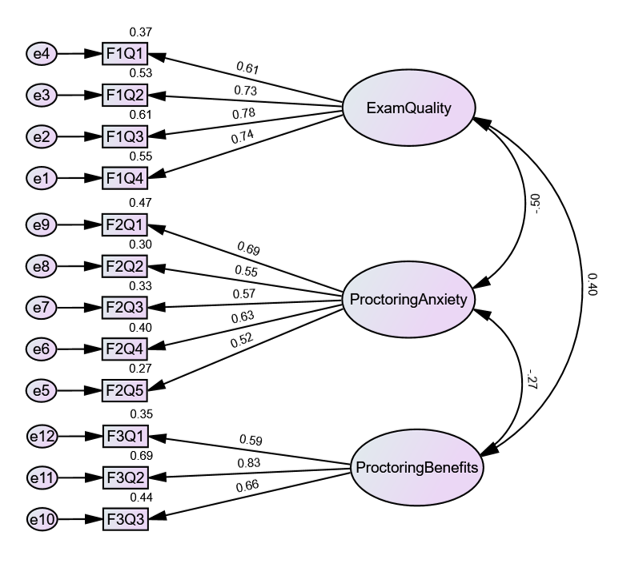
Figure 1: Standardized CFA Loading and Correlations Image description available
Note. Values shown are standardized CFA factor loadings and correlations among latent factors. Item labels reflect factor membership and item order (e.g., F1Q1 = Factor 1, Item 1). Latent factors represent Exam Quality and System Fairness (Exam Quality), Proctoring Anxiety and Concerns (Proctoring Anxiety), and Preference for and Benefits of Online Proctoring (Proctoring Benefits).
As stated in the Introduction, the purpose of this study was to develop and preliminarily validate a scale assessing student perceptions of online proctored examinations. Using an exploratory factor analytic approach, followed by confirmatory analysis with an independent sample, the findings support a three-factor structure capturing distinct yet related dimensions of the online proctoring experience. These are: Exam Quality and System Fairness, Proctoring Anxiety and Concerns, and Preference for and Benefits of Online Proctoring.
Therefore, consistent with best practices in early-stage scale development, the EFA served as the primary analytic tool for identifying the underlying measurement structure (Costello & Osborne, 2005; DeVellis, 2021). As can be observed from the findings section, the EFA results demonstrated clear factor separation, adequate communalities, and conceptually coherent item groupings. Further, the use of oblique rotation was supported by moderate inter-factor correlations, indicating that students’ evaluative judgments, affective concerns, and modality preferences are meaningfully related but not redundant. Finally, collectively these findings suggest that student experiences with online proctoring are multifaceted and cannot be adequately captured by a single global attitude measure.
The first factor, Exam Quality and System Fairness, reflects students’ assessments of whether online proctored exams functioned reliably and fairly, and whether exam content accurately measured their knowledge. This factor aligns with prior research (e.g., Wlodkowski & Ginsberg, 2017), which emphasizes that technology-mediated assessments must be perceived as inclusive, fair, sufficiently flexible, and technically reliable in order to support meaningful student engagement and performance.
The second factor, Proctoring Anxiety and Concerns, captures affective and cognitive apprehensions associated with surveillance, technical failure, insufficient guidance, and fears of false accusations. These concerns are consistent with prior literature documenting reports of heightened anxiety and perceived risk in online proctored environments, particularly among students with limited trust in automated monitoring systems or prior exposure to proctoring controversies (Woldeab et al., 2017; Woldeab & Brothen, 2021). The coherence of this factor underscores that anxiety related to online proctoring extends beyond general test anxiety and includes procedural and ethical dimensions specific to remote monitoring.
The third factor, Preference for and Benefits of Online Proctoring, reflects students’ comparative evaluations of online versus in-person testing, including perceived performance advantages and the ability to demonstrate knowledge effectively. This factor highlights that, despite documented concerns, some students view online proctoring as beneficial or preferable, suggesting heterogeneity in student responses to assessment modality. This finding is consistent with research indicating that flexibility, familiarity with digital environments, and reduced situational stressors may contribute to positive perceptions of online assessment for some learners (Woldeab & Brothen, 2024).
The CFA, conducted with an independent sample, provided initial empirical support for the three-factor structure identified through EFA. The 12-item model demonstrated acceptable global fit, coherent standardized loadings, and theoretically consistent latent factor correlations. Importantly, the CFA was not intended as a definitive test of model adequacy but rather as a confirmatory–diagnostic evaluation of the plausibility of the proposed measurement structure (Boateng et al., 2018; Schmitt et al., 2018). In this context, the CFA findings complement the exploratory results and strengthen confidence in the stability and interpretability of the scale, while also identifying areas for continued refinement.
Therefore, taken together the combined EFA and CFA findings suggest that the 12-item scale offers a parsimonious and conceptually grounded tool for assessing students’ experiences with online proctoring. Overall, the results support the use of this instrument in future research examining student perceptions, affective responses, and acceptance of remote assessment technologies.
In conclusion, this study contributes to the growing literature on online assessment by presenting a systematically developed and preliminarily validated measure of students’ perceptions of online proctored exams. Through an EFA-led scale development process and subsequent confirmatory evaluation, the findings support a three-factor structure encompassing exam quality and fairness, proctoring-related anxiety and concerns, and perceived benefits and preferences related to online proctoring.
That said, several limitations should be acknowledged. First, although independent samples were used for EFA and CFA, both were drawn from students enrolled in online courses at a single institution, which may limit generalizability. Second, the scale represents an early-stage measurement instrument and further validation is warranted. Therefore, future research should examine the scale’s performance in larger and more diverse samples, test measurement invariance across student subgroups, and evaluate predictive validity in relation to academic outcomes and assessment behaviors (MacCallum et al., 1999).
Despite these limitations, however, the present findings provide a strong foundation for continued scale refinement and application. By distinguishing between evaluative judgments, affective concerns, and modality preferences, the scale offers a nuanced framework for understanding student experiences with online proctoring. As remote and hybrid assessment practices continue to expand, such tools are essential for informing institutional decision-making, improving assessment design, and addressing student concerns in technology-mediated learning environments.
The findings of this study hold important implications for online learning theory and research. As online education and digitally mediated assessment practices continue to expand, understanding students’ experiences with online proctoring becomes increasingly important for evaluating the broader online learning environment. The findings suggest that online proctoring is not merely a technological tool, but also a psychological and pedagogical experience shaped by perceptions of fairness, anxiety, surveillance, and assessment legitimacy.
The study also provides a foundation for future research examining how online proctoring experiences relate to academic performance, course design, student engagement, persistence, and well-being. As institutions continue to refine online and hybrid assessment practices, a multidimensional understanding of students’ experiences with online proctoring may help inform more equitable and pedagogically effective approaches to digital assessment. Finally, although our overall goal is to provide a tool that can be used by instructors to better assess their students’ needs, we also hope that further researchers will continue to develop and enhance it.
Anderi, E., Sherman, L., Saymuah, S., Ayers, E., & Kromrei, H. T. (2020, August 6). Learning communities engage medical students: A COVID-19 virtual conversation series. Cureus,12(8), Article Number: e9593. https://doi.org/10.7759/cureus.9593
Boateng, G. O., Neilands, T. B., Frongillo, E. A., Melgar-Quiñonez, H. R., & Young, S. L. (2018). Best practices for developing and validating scales for health, social, and behavioral research: a primer. Frontiers in Public Health, 6(149). https://doi.org/10.3389/fpubh.2018.00149
Chan, C. K. Y. (2023). A comprehensive AI policy education framework for university teaching and learning. International Journal of Educational Technology in Higher Education, 20(38). https://doi.org/10.1186/s41239-023-00408-3
Chin, M. (2020, April 29). Exam anxiety: How remote test-proctoring is creeping students out. The Verge. https://www.theverge.com/2020/4/29/21232777/examity-remote-test-proctoring-online-class-education
Coghlan, S., Miller, T., & Paterson, J. (2021). Good proctor or “Big Brother”? Ethics of online exam supervision technologies. Philosophy & Technology, 34(4), 1581–1606. https://doi.org/10.1007/s13347-021-00476-1
Costello, A. B., & Osborne, J. (2005). Best practices in exploratory factor analysis: Four recommendations for getting the most from your analysis. Practical Assessment, Research, and Evaluation, 10(7). 1–9. https://legacyfileshare.elsevier.com/promis_misc/teln-best-practices-in-exploratory-factor-analysis.pdf
Dawson, P. (2021). Defending assessment security in a digital world: Preventing e-cheating and supporting academic integrity in higher education. Routledge.
DeVellis, R. F. (2021). Scale development: Theory and applications (5th ed.). Sage.
Field, A. (2018). Discovering statistics using IBM SPSS statistics (5th ed.). Sage.
Galope, R., Bilyk, R., & Woldeab, D. (2024). Exploiting a natural experiment in assessing student learning outcomes in public and nonprofit administration: A demonstration. Teaching Public Administration, 42(3), 352–375. https://doi.org/10.1177/01447394231223071
Heinrich, E. (2025). A systematic-narrative review of online proctoring systems and a case for open standards. Open Praxis, 17(3), 485–499. https://doi.org/10.55982/openpraxis.17.3.836
Jiang, X., Goh, T. T., Chen, X., Liu, M., & Yang, B. (2023). Investigating university students’ online proctoring acceptance during COVID-19: An extension of the technology acceptance model. Australasian Journal of Educational Technology, 39(2), 47–64. https://doi.org/10.14742/ajet.8121
Jones, L., & Petruzzi, D. C. (1995). Test anxiety: A review of theory and current treatment. Journal of College Student Psychotherapy, 10(1), 3–15. https://doi.org/10.1300/J035v10n01_02
Kahu, E. R., Stephens, C., Leach, L., & Zepke, N. (2014). Linking academic emotions and student engagement: Mature-aged distance students’ transition to university. Journal of Further and Higher Education, 39(4), 481–497. https://doi.org/10.1080/0309877X.2014.895305
Kharbat, F. F., & Abu Daabes, A. S. (2021). E-proctored exams during the COVID-19 pandemic: A close understanding. Education and Information Technologies, 26(6), 6589–6605. https://doi.org/10.1007/s10639-021-10458-7
MacCallum, R. C., Widaman, K. F., Zhang, S., & Hong, S. (1999). Sample size in factor analysis: The role of model error. Psychological Methods, 4(1), 84–99. https://doi.org/10.1037/1082-989X.4.1.84
Moore, M. G., & Kearsley, G. (2012). Distance education: A systems view of online learning (3rd ed.). Wadsworth.
National Center for Education Statistics. (2023). Postbaccalaureate Enrollment. Condition of Education. U.S. Department of Education, Institute of Education Sciences. https://nces.ed.gov/programs/coe/indicator/chb
Peytcheva-Forsyth, R., & Aleksieva, L. (2021, March). Forced introduction of e-assessment during COVID-19 pandemic: How did the students feel about that? (Sofia University case). In AIP Conference Proceedings (Vol. 2333, No. 1). AIP Publishing. https://doi.org/10.1063/5.0041862
Sarason, I. G. (1984). Stress, anxiety, and cognitive interference: Reactions to tests. Journal of Personality and Social Psychology, 46(4), 929–938. https://doi.org/10.1037/0022-3514.46.4.929
Schmitt, T. A., Sass, D. A., Chappelle, W., & Thompson, W. (2018). Selecting the “best” factor structure and moving measurement validation forward: An illustration. Journal of Personality Assessment, 100(4), 345–362. https://doi.org/10.1080/00223891.2018.1449116
Slade, C., Lawrie, G., Taptamat, N., Browne, E., Sheppard, K., & Matthews, K. E. (2022). Insights into how academics reframed their assessment during a pandemic: disciplinary variation and assessment as afterthought. Assessment & Evaluation in Higher Education, 47(4), 588–605. https://doi.org/10.1080/02602938.2021.1933379
Slater, J. (Dec 12, 2025) Professors are turning to this old-school method to stop AI use on exams. Washington Post. https://www.washingtonpost.com/education/2025/12/12/ai-artificial-intelligence-college-oral-exam/
Wlodkowski, R. J., & Ginsberg, M. B. (2017). Enhancing adult motivation to learn: A comprehensive guide for teaching all adults (4th ed.). Jossey-Bass.
Woldeab, D., Lindsay, T. A., & Brothen, T. (2017). Under the watchful eye of online proctoring. In Innovative learning and teaching: Experiments across the disciplines (pp. 147–160). University of Minnesota Libraries Publishing. https://open.lib.umn.edu/innovativeteaching/chapter/under-the-watchful-eye-of-online-proctoring/
Woldeab, D., & Brothen, T. (2019). 21st century assessment: Online proctoring, test anxiety, and student performance. International Journal of E-Learning & Distance Education/Revue internationale du e-learning et la formation à distance, 34(1), 1–10. https://www.ijede.ca/index.php/jde/article/view/1106
Woldeab, D., Yawson, R. M., & Osafo, E. (2020). A systematic meta-analytic review of thinking beyond the comparison of online versus traditional learning. e-Journal of Business Education and Scholarship of Teaching, 14(1), 1–24. https://files.eric.ed.gov/fulltext/EJ1276404.pdf
Woldeab, D., & Brothen, T. (2021). Video surveillance of online exam proctoring: Exam anxiety and student performance. International Journal of E-Learning & Distance Education/Revue internationale du e-learning et la formation à distance, 36(1), 1–26. https://www.ijede.ca/index.php/jde/article/view/1204
Woldeab, D., & Brothen, T. (2024). Exploring the impact: How online exam proctoring reduces cheating and enhances course legitimacy. International Journal of E-Learning & Distance Education, 39(1), 1–29. https://doi.org/10.55667/10.55667/ijede.2024.v39.i1.1327
Woldeab, D., Brothen, T., & Barbu, A. (2025). Procrastination and online exam proctoring: Exam anxiety and exam performance. International Journal of E-Learning & Distance Education, 40(1), 1–32. https://doi.org/10.55667/10.55667/ijede.2025.v40.i1.1371
Zeidner, M. (1998). Test anxiety: The state of the art. Plenum Press.
Figure 1 image description: Diagram illustrates the standardized CFA Loading and Correlations of the study for:
Back to Figure 1.